Manchester NH Roofing: Comprehensive Guide to Roof Overlays, Costs, Benefits, and Functions

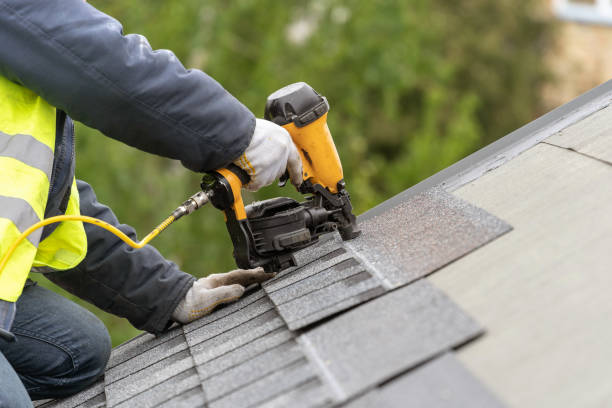
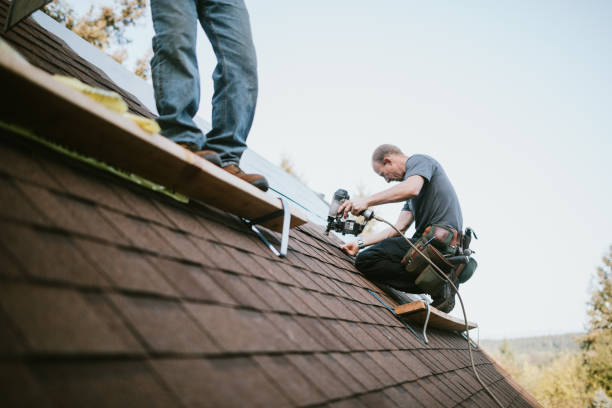
Workman using pneumatic nail gun install tile on roof of new house under construction Unrecognizable roofer worker in uniform work wear using air or pneumatic nail gun and installing asphalt or bitumen tile on top of the roof under construction house roofing stock pictures, royalty-free photos & images

Roof overlays are a popular alternative to complete roof replacements, offering homeowners an efficient and cost-effective way to restore their roofs. This method involves layering new shingles over the existing ones rather than tearing off the old materials. However, understanding its costs, benefits, and functionality is essential before deciding if this approach suits your home. Below is a detailed guide to help you navigate the complexities of roof overlays.

Understanding Roof Replacements Manchester NH: What Is a Roof Overlay?

A roof overlay is a method of installing a new layer of roofing materials—typically asphalt shingles—over an existing roof without removing the older layer. Unlike a full roof replacement, this process saves time and labor by skipping the tear-off phase.

Key Features of Roof Overlays: – Adds another protective layer on top of the old roof. – Typically quicker and less labor-intensive compared to full replacement. – Can be done only once; building codes often limit layers to two for safety reasons.

Benefits of a Roof Overlay

  1. Eliminates expenses associated with removing and disposing of old shingles.
  2. Reduces overall labor costs due to quicker installation times.
  3. Fewer steps in the process mean your roofing project can be completed faster.
  4. Avoids filling landfills with discarded shingles from the tear-off process.
  5. Installs fresh shingles that improve your home’s curb appeal instantly.
Benefit Description
Cost Savings Reduced labor and disposal expenses compared to full replacement
Time Efficiency Faster project completion due to fewer steps
Eco-Friendly Approach Prevents old materials from ending up in landfills
Enhanced Appearance Gives your home an updated look with minimal effort

Costs Involved in Roof Overlays

  • Material Costs: $1-$5 per square foot depending on shingle type.
  • Labor Costs: $2-$4 per square foot since no tear-off is required.
  • Total Costs: Expect approximately $6,000–$12,000 for an average-sized home (1,500–2,000 sq ft).

While affordable compared to full replacements (which can exceed $15,000), it’s important to weigh this price against long-term maintenance needs or potential structural issues caused by layering over old materials.

Key Functions of Roof Overlays

  • Weather Protection: Provides added insulation against rain, snow, wind, and UV rays.
  • Structural Coverage: Reinforces areas where previous shingles may be worn or cracked.
  • Improved Drainage: Ensures water flows properly off your roof with newly aligned shingles.
  • Prolonged Lifespan: Extends the overall service life of your roofing system by several years if done correctly.

Situations Where Roof Overlays Work Best

  1. The existing roof must be in relatively good condition with no significant structural damage or leaks.
  2. Local building codes must permit adding another layer; many jurisdictions limit roofs to two layers maximum.
  3. Your current roof should not already have issues such as sagging or poor ventilation.

If these conditions are met, a roof overlay can provide an economical solution for extending your home’s protection without committing to a costly tear-off process.

Understanding how roof overlays function—and their associated costs—can help you make an informed decision regarding your roofing project. From cost savings and time efficiency to functional durability and improved aesthetics, this option offers many advantages when applied under appropriate circumstances. However, careful consideration is essential before proceeding with this approach as it may not suit every situation or property type

Exploring Alternative Roof Replacement Options with a Trusted Roofing Contractor Manchester NH

When it comes to roof replacement, homeowners often assume tear-offs are the only solution. However, alternative methods like roof overlays offer a less invasive, cost-effective option for restoring your roof. Understanding these alternatives can help you make an informed decision depending on your home’s specific needs.

What Is a Roof Overlay?

A roof overlay involves installing new shingles over your existing roofing material without removing the old layer. This method is quicker and typically less expensive than a full tear-off and replacement. However, it’s not suitable for every home and should only be done under certain conditions.

Key Characteristics of Roof Overlays:

  • Layering: Adds a second (or sometimes third) layer of shingles.
  • Durability: Shorter lifespan compared to a complete tear-off.
  • Weight Considerations: Increases the weight on your roof structure.

Benefits of Alternative Roof Replacement Options

  1. No need to pay for disposal or labor costs associated with removing old shingles.
  2. Overall project costs are reduced compared to traditional replacements.
  3. Eliminates the process of tearing off existing materials.
  4. Reduces project time without compromising basic functionality.
  5. Keeps old roofing materials out of landfills.
  6. More sustainable for eco-conscious homeowners who aim to minimize waste.
  7. Less intrusive for homeowners during installation.
  8. Ideal for occupied homes where noise control is critical.
Benefit Description
Cost Savings Lower labor and disposal expenses
Faster Installation Quicker turnaround time
Reduced Environmental Impact Fewer materials in landfills
Minimized Disruption Less noise and disturbance

Drawbacks of Roof Overlays

  1. Adding too much weight can strain the roof deck.
  2. Not suitable if the underlying structure has damage or rot.
  3. Overlaid roofs have a shorter lifespan compared to completely new installations due to heat retention and wear on older layers beneath.
  4. Difficulties in identifying and addressing underlying issues like leaks or moisture damage once covered by another layer.
  5. Some areas have strict ordinances limiting how many layers you can add.

Comparing Alternative Methods

Feature Roof Overlay Full Tear-Off
Cost Lower Higher
Time Required Shorter Longer
Longevity Moderate Better
Suitability for Damage Repair Limited Excellent

When Are Alternatives Like Overlays Most Effective?

Roof overlays work best when: – Existing shingles are in relatively good condition with no severe damage. – Your budget is limited but you still need immediate protection from weather elements. – The roof deck is structurally sound and capable of supporting additional weight.

By weighing these factors carefully, you’ll ensure that any decision regarding alternative roof replacement methods aligns with both your budget and long-term needs.

Understanding the Difference Between Roof Overlay and Tear-Off Methods

When it comes to roof replacement or repair, homeowners often find themselves deciding between two primary methods: roof overlay and tear-off. Each method has distinct processes, costs, benefits, and considerations. To make an informed decision that suits your home’s specific needs, it’s important to understand how these approaches differ.

What Is a Roof Overlay?

A roof overlay involves installing a new layer of roofing material directly over the existing roof without removing the old shingles. This approach is generally quicker and less labor-intensive compared to a full roof replacement. However, it is only suitable when specific conditions are met.

Key Features of a Roof Overlay: – Leaves the original roofing intact – Adds an additional layer of shingles or other roofing material – Reduces labor costs and installation time – Can add weight to the structure of your roof

What Is a Tear-Off?

The tear-off method requires completely removing all existing layers of roofing materials before installing new shingles or other materials. This process involves stripping down to the bare decking of the roof.

Key Features of a Tear-Off Method: – Removes all old roofing materials – Provides an opportunity to inspect and repair underlying issues such as wood rot or leaks – Offers a fresh start with newly installed materials – Typically more expensive due to increased labor and disposal costs

Comparison Table: Roof Overlay vs Tear-Off

Feature/Aspect Roof Overlay Tear-Off
Cost Less expensive due to reduced labor Higher cost (labor-intensive)
Time Required Faster installation Longer process
Structural Impact Adds weight to the roof No additional weight
Durability May have shorter lifespan Longer lifespan
Inspection No access for structural repairs Allows for full inspection

Pros & Cons of Each Method

Understanding the advantages and disadvantages is key when choosing between these methods.

Advantages of Roof Overlays: 1. Lower upfront costs. 2. Quicker completion time. 3. Less debris generated during installation.

Disadvantages of Roof Overlays: 1. Adds extra weight that may strain your home’s structure. 2. Does not address hidden issues like water damage or rotted decking. 3. May not last as long as tearing off and starting fresh.

Advantages of Tear-Off Method: 1. Thorough inspection ensures no underlying problems go unnoticed. 2. New materials create better long-term durability. 3. Improved aesthetics with a clean slate.

Disadvantages of Tear-Off Method: 1. Higher upfront cost due to labor intensity. 2. Generates significant waste material requiring proper disposal. 3. Takes longer to complete compared to overlays.

Factors That Influence Your Decision

  1. Age and Condition of Existing Roof: If your current roof shows significant damage like leaks, sagging, or rotting wood, a tear-off is likely required.
  2. Local Building Codes: Some areas have regulations restricting multiple layers on roofs due to safety concerns about structural load limits.
  3. Budget Constraints: If you’re working with limited funds, overlays may seem appealing but could lead to higher costs later if problems arise under the surface.
  4. Long-Term Goals: Consider whether you’re looking for a quick fix or long-lasting results that enhance your home’s value over time.
  5. Roofing Material Choices: Not all materials are suitable for overlays; consult with professional contractors about compatibility based on your current setup.

Deciding between a roof overlay and tear-off method requires careful evaluation tailored specifically for each home’s unique circumstances—balancing cost considerations with structural integrity and long-term performance goals will help ensure you make an informed choice suited for your needs.

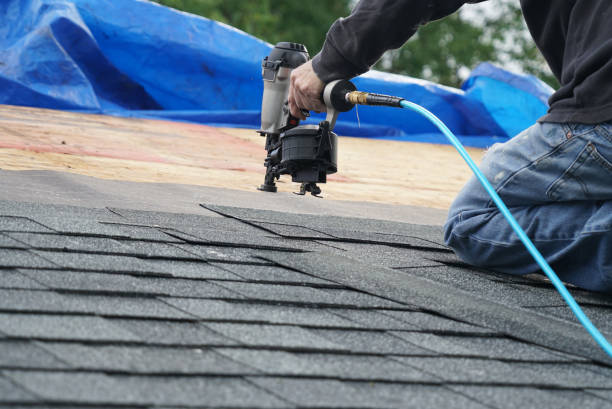
handyman using nail gun to install shingle to repair roof handyman using nail gun to install shingle to repair roof roofing stock pictures, royalty-free photos & images

Understanding Roof Overlay Costs with a Trusted Roofer Manchester NH

Roof overlaying can be an effective and budget-friendly alternative to a full roof replacement. However, understanding the costs associated with roof overlays is critical for homeowners seeking to make informed decisions. Below, we provide a detailed breakdown of the costs you may encounter when opting for a roof overlay and the factors that influence pricing.

Average Cost of a Roof Overlay

The cost of a roof overlay varies depending on several factors, including the size of your home, materials used, and labor expenses. On average, homeowners can expect to pay between $4,000 to $10,000 for an overlay project. The table below provides an approximate cost range based on roofing materials:

Roofing Material Estimated Cost per Square Foot Average Price for 2,000 sq. ft. Roof
Asphalt shingles $3 – $5 $6,000 – $10,000
Metal roofing overlays $7 – $14 $14,000 – $28,000
Wood shingles $6 – $9 $12,000 – $18,000

Note: Costs may vary based on location and contractor rates.

Key Factors Influencing Costs

  1. Roof Size
    The larger your roof is in square footage, the higher the cost will be due to increased material usage and extended labor time.
  2. Material Choice
    Premium materials like metal or wood shingles tend to be more expensive than traditional asphalt shingles but may offer added durability or aesthetic appeal.
  3. Labor Costs
    Labor rates can fluctuate based on region and contractor expertise. It’s essential to request multiple quotes from reliable roofing contractors for accurate comparisons.
  4. Existing Roof Condition
    If your existing roof has extensive damage or structural issues (e.g., rotting decking), additional repairs will likely increase overall costs.
  5. Complexity of Roof Design
    Homes with steep slopes or intricate architectural designs may require specialized skills and equipment during installation—leading to higher labor fees.

Additional Expenses You Might Encounter

  • Inspection Fees: Before starting work on an overlay project, an inspection may be necessary to ensure your current roofing structure is sound enough for an additional layer.
  • Permit Costs: Some municipalities require permits for any major roofing work; permit fees typically range from $50 to $300, depending on local regulations.
  • Disposal Fees: Debris removal is generally less substantial in an overlay project compared to a tear-off method but could still add minor disposal costs if any old materials need removal.
  • Upgrades or Add-ons: Enhancements like improved flashing or vent installations might raise total costs but contribute positively toward long-term functionality.

Tips for Managing Costs Effectively

  • Obtain at least three estimates from licensed contractors before committing.
  • Avoid cutting corners by choosing low-quality materials; this could lead to costly repairs down the line.
  • Check whether warranties cover both material defects and workmanship issues.
  • Plan ahead; scheduling roofing projects during off-peak seasons might result in discounted rates from contractors.

Understanding these cost elements can help you better prepare financially for your roof overlay project while ensuring high-quality results tailored to your home’s needs. By evaluating all factors thoroughly upfront, you’ll gain clarity about what you should expect when committing to this process.

Exploring the Pros and Cons of Choosing a Roof Overlay

Roof overlays have become a popular alternative to full roof replacements for homeowners looking to save money and time. While overlays can be an excellent option in certain situations, they are not without their drawbacks. Below is an in-depth look at the advantages and disadvantages of choosing a roof overlay.

Benefits of Roof Overlays

  • A roof overlay is often more affordable than a full tear-off and replacement since it requires less labor and material.
  • Homeowners save money on demolition costs, as the existing roof remains intact.
  • With no need for extensive removal of old materials, the installation process is quicker.
  • Contractors can typically complete an overlay project within a few days, depending on the size and complexity of the roof.
  • Since the old roofing material stays in place, overlays significantly reduce waste headed to landfills.
  • This environmentally friendly approach appeals to those looking to minimize their ecological footprint.
  • An additional layer of roofing material contributes to improved insulation by adding another barrier against heat loss or gain.

Drawbacks of Roof Overlays

  • Adding an overlay increases the weight burden on your home’s structural framework.
  • If your existing structure isn’t strong enough to bear this additional load, it could lead to long-term issues such as sagging or structural damage.
  • Because an overlay doesn’t address any underlying issues with your existing roof, its lifespan may be shorter than that of a complete tear-off replacement.
  • Existing problems like leaks or water damage beneath your current shingles may go unnoticed during an overlay project. These hidden issues could worsen over time without proper inspection and repair.
  • Some prospective buyers view overlays negatively due to concerns about underlying problems or structural integrity.

Factors That Affect Whether You Should Choose an Overlay

Factors Favorable for Overlays Unfavorable for Overlays
Structural Integrity Strong roof framework Weak or compromised structure
Condition of Existing Roof Minor wear & tear Extensive damage (e.g., rot)
Budget Limited renovation budget No budget constraints
Local Building Codes Permits multiple layers Restricts additional layers

Summary

A roof overlay can be an efficient solution if executed under proper conditions—such as when the existing structure is sound, and local codes permit it. However, due diligence must be taken beforehand by having professionals assess both your current roofing system’s condition and its ability to handle added weight effectively.

Key Considerations for Roof Installation Manchester NH: Why a Roof Overlay Might Not Be Ideal

A roof overlay, which entails installing new shingles directly over the existing ones, can be an appealing option for homeowners due to its lower cost and reduced labor. However, this approach isn’t always the best choice and can lead to complications if undertaken in inappropriate situations. Here are the primary reasons why you should avoid a roof overlay in certain scenarios.

Existing Roof Damage or Structural Issues

  • Cracked or curled shingles: These may prevent proper adherence of the new layer.
  • Soft spots on the decking: Indicate moisture damage that compromises structural integrity.
  • Sagging areas: Suggest issues with the roof’s framework that require repair before adding any weight.

If these issues exist, a full tear-off and replacement are essential to ensure long-term durability and safety.

Weight Concerns

Adding another layer of shingles significantly increases the weight on your roof structure. Asphalt shingles weigh between 200-400 pounds per square (100 square feet), meaning that an additional layer can quickly exceed your roof’s capacity. This is particularly problematic for older homes or buildings with weakened framing.

  • Sagging roofs: Over time, added stress could cause the structure to bow.
  • Foundation strain: Heavier roofs may place pressure on other parts of your home’s structure.

Before opting for an overlay, it’s crucial to consult a professional roofer who can assess whether your home’s framework is capable of supporting extra weight.

Shortened Lifespan of Roofing Materials

While overlays are faster and cheaper upfront, they often reduce the lifespan of your roofing materials. The failure to remove old shingles leads to improper ventilation, which accelerates wear and tear due to trapped heat and moisture buildup beneath the new layer.

  1. Premature cracking or warping of shingles.
  2. Higher energy bills due to reduced thermal regulation.
  3. Increased maintenance costs as repairs become necessary sooner than expected.

A tear-off allows proper installation with adequate ventilation systems that help extend the life expectancy of your new roof.

Building Code Restrictions

Many local building codes limit homes from having more than two layers of roofing material for safety reasons. If your current roof already has one overlay installed, adding another could violate zoning laws and result in fines or denied permits during future renovations.

Always verify local regulations with a licensed roofer before proceeding with any overlay project.

Aesthetic Considerations

An overlay often results in uneven surfaces because it conforms to pre-existing imperfections in the original shingle layer. This can detract from curb appeal and potentially reduce property value if prospective buyers notice irregularities during inspections.

Issue Impact
Uneven appearance Visible bumps create a less polished look
Color mismatching Limited choices compared to full replacements

For optimal aesthetics, removing old materials ensures a clean slate for consistent alignment and color uniformity.

When Alternatives Are Better

If any of these factors apply—such as underlying damage, excessive weight concerns, shortened material lifespan, code restrictions, or aesthetic downsides—you’re better off considering a full tear-off instead of layering new shingles over old ones.

While overlays may seem like an attractive solution initially due to their cost-effectiveness and quicker installation times, they often result in higher long-term expenses through repairs or complete replacement down the road. Proper evaluations by experienced professionals will help determine whether this route is suitable for your home’s specific needs—or whether it’s best avoided altogether when key risks are present.

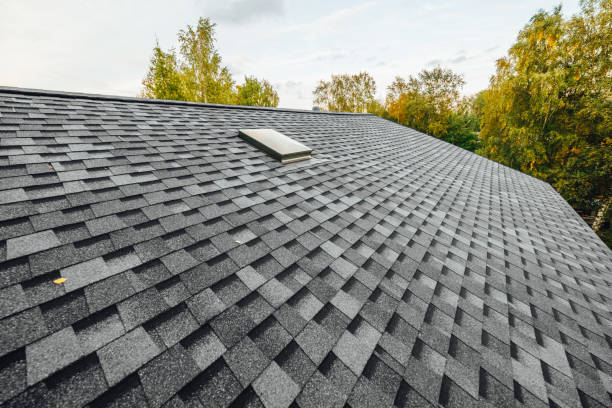
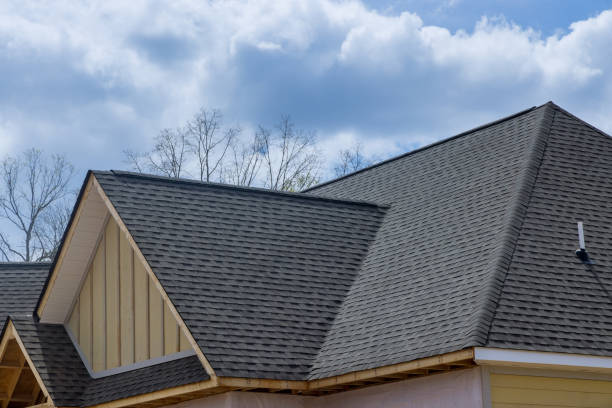
roof of new house with shingles roof-tiles and ventilation window roof of new house with shingles roof-tiles and ventilation window roofing stock pictures, royalty-free photos & images

Why You Should Avoid a Roof Overlay in Certain Situations

Roof overlays can be an appealing option for many homeowners due to their lower upfront costs and quicker installation process. However, there are scenarios where choosing a roof overlay may not be the best decision. In fact, opting for an overlay in some situations can lead to long-term issues that outweigh the initial savings. Below, we’ll explore why avoiding a roof overlay may be necessary under certain circumstances.

Weight Concerns on the Structural Integrity of Your Home

  • Sagging or bowing of the roof deck or trusses.
  • Compromised load-bearing walls or foundation cracks over time.
  • Increased risk of collapse under heavy snow or ice loads.

If your home’s structural integrity is questionable or if you live in an area with harsh weather conditions, it’s better to avoid a roof overlay altogether.

Covering Up Existing Roof Damage

  • Accelerated deterioration of both layers of roofing material.
  • Escalating repair costs when the hidden damage becomes apparent.
  • Shortened lifespan for the new shingles installed during the overlay process.

Homeowners should always have their roofs thoroughly inspected by a qualified professional before considering an overlay.

Reduced Lifespan and Warranty Limitations

  • The new shingles may not adhere properly to uneven surfaces created by old materials.
  • Heat buildup between layers can cause premature aging and curling of shingles.

Additionally, roofs with overlays tend to have shorter lifespans compared to complete tear-off replacements due to poor ventilation and trapped debris between layers.

Complications During Future Repairs or Replacements

Problem Explanation
Higher Costs Removing multiple layers during future replacement increases labor costs.
Time Delays Extra time is required for tearing off two (or more) layers instead of one.
Heavier Landfill Waste Multiple layers contribute more waste during removal and disposal processes.

Considering these potential challenges, homeowners planning long-term solutions should think carefully before opting for an overlay.

Local Building Codes and Restrictions

In many areas, local building codes limit the number of shingle layers allowed on residential roofs—often restricting it to two layers maximum. Exceeding this limit could result in code violations that require immediate corrective action at your expense.

Always consult local regulations and obtain proper permits before deciding whether an overlay is permissible in your community.

When evaluating whether a roof overlay is suitable for your home, consider all possible drawbacks outlined above alongside any benefits it might offer. Consulting with experienced roofing professionals ensures that you choose the most appropriate solution tailored specifically to your property’s needs.

Essential Factors to Consider Before Deciding on a Roof Overlay

When deciding whether to proceed with a roof overlay, several critical factors play a role in influencing your decision. A roof overlay involves installing a new layer of shingles over an existing roof, and while it may seem like an attractive option due to its lower upfront cost and reduced labor, careful consideration is required before moving forward. Here are the essential factors to evaluate.

1. Condition of the Existing Roof

  • Structural damage: If your roof deck or support system is compromised due to rot or sagging, an overlay will only mask the underlying problem without addressing it.
  • Moisture issues: Trapped moisture or signs of water damage in the existing roofing system can lead to mold growth and further deterioration.
  • Excessive wear and tear: If the current shingles are curled, cracked, or significantly deteriorated, adding another layer can exacerbate problems rather than resolving them.

2. Local Building Codes and Regulations

Many areas have strict regulations regarding how many layers of roofing can be installed. Typically, building codes limit residential properties to two layers of shingles for safety reasons. Adding a third layer may compromise structural integrity and violate local building codes.

It’s crucial to consult with your local municipality or a professional roofer to ensure compliance before proceeding with an overlay.

3. Weight Considerations

  • Older homes or those with weaker structural frameworks may struggle to support the additional load over time.
  • Excessive weight can cause sagging in beams or trusses, leading to costly repairs down the line.

Performing a structural assessment is necessary before committing to this option.

4. Long-Term Costs vs. Short-Term Savings

Aspect Roof Overlay Full Roof Replacement
Upfront Cost Lower Higher
Longevity Shorter lifespan Longer lifespan
Repair Complexity Higher Easier
Long-Term Maintenance Costs Higher Lower

Overlaying can be cost-effective initially but could result in increased maintenance needs as minor issues become harder to identify beneath multiple layers.

5. Energy Efficiency Concerns

  • Increased energy bills due to greater reliance on cooling systems.
  • Reduced comfort inside your home during warmer months.

Discuss energy-efficient options with your roofing contractor prior to making any decisions.

6. Future Repairs and Replacement Challenges

  • Finding leaks becomes more challenging as water travels through multiple layers.
  • Any future replacement will require removing both shingle layers, leading to higher costs than if a single-layer removal had been done initially.

If you anticipate needing extensive repairs down the road, it might be worth considering a full tear-off instead of layering over existing materials.

7. Aesthetic Considerations

  • Adding another layer increases thickness on edges where shingles meet gutters or flashing areas, creating uneven appearances.
  • Mismatched textures from overlapping old materials with new ones could detract from curb appeal.

Ensure you consider how these factors align with your goals for maintaining or improving aesthetic value.

Proper evaluation ensures your decision about whether or not a roof overlay makes sense is grounded in practical reasoning rather than short-term convenience alone.


Expert Roofing Services by a Trusted Roofer Manchester NH for Your Home

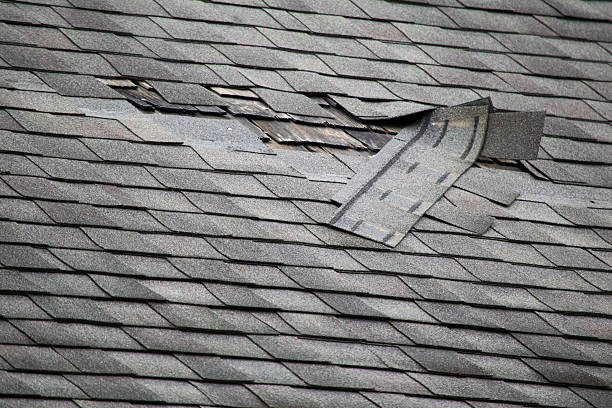
Damaged Roof Shingles A badly damaged roof with missing shingles in need of repair roofing stock pictures, royalty-free photos & images

When it comes to maintaining, repairing, or replacing your roof, understanding the range of professional roofing services available is essential. A well-maintained roof not only enhances the aesthetic appeal of your home but also protects your property from extreme weather conditions and helps maintain energy efficiency. Below is an overview of some common roofing services offered by experienced contractors.

Types of Roofing Services

  • Roof Installation
    Installing a new roof is one of the largest investments for homeowners. It’s essential to choose durable materials and trust qualified professionals to ensure proper installation that will last for decades.
  • Roof Repairs
    Professionals assess and resolve issues such as leaks, damaged shingles, flashing problems, or structural damage caused by storms or aging. Timely repairs help prevent costly replacements down the road.
  • Roof Replacement
    Contractors assist with removing old materials and installing a brand-new roof tailored to your needs.
  • Roof Inspections & Maintenance Programs
    Maintenance services often include cleaning gutters, resealing joints, and replacing worn-out components.
  • Emergency Roofing Services
    Storms or accidents can cause sudden damage that needs immediate attention. Emergency repair services ensure prompt action to prevent further harm to your home.

Benefits of Hiring Professional Roofers

Professional roofing contractors bring specialized expertise, ensuring that every project meets industry standards.

  • Knowledge of local building codes and regulations
  • Access to high-quality materials and tools
  • Safety precautions during installation or repairs
  • Warranty coverage on both labor and materials

Factors That Impact Service Costs

Factor Impact on Cost
Type of roofing material Premium materials (e.g., slate, metal) are more expensive than asphalt shingles
Roof size Larger roofs require more labor and material
Roof pitch/complexity Steeper pitches or unique designs add complexity to installation/repair
Labor rates Regional variations in labor costs affect overall pricing

Tips for Choosing the Right Roofing Service Provider

  1. Verify their license, insurance, and certifications.
  2. Request detailed estimates outlining costs for labor and materials.
  3. Check online reviews or ask for references from past clients.
  4. Inquire about warranties on workmanship.
  5. Confirm their experience with specific roofing types (e. g. , metal roofs vs asphalt shingles).

Investing in professional roofing services ensures durability, safety, and peace of mind while enhancing your home’s value over time—making it a crucial aspect of homeownership planning.

Exploring the Range of Manchester NH Roofing Services Available Today

When it comes to maintaining or improving your home, the roof plays a critical role in ensuring safety, comfort, and energy efficiency. Professional roofing services cover a wide range of solutions designed to meet the specific needs of homeowners. Below is an overview of key types of roofing services available today to help you make informed decisions for your property.

Roof Installation Manchester NH: Inspection and Maintenance Tips


Visual inspection for damagesuch as cracks, leaks, or loose shingles.
Gutter cleaningto ensure proper drainage and prevent water pooling.
– Checking for signs of mold, mildew, or algae growththat can compromise structural integrity.
– Identifying early signs of wear that may require repairs before they escalate into costly issues.

Scheduling regular maintenance with a professional roofer helps identify small problems early on and minimizes long-term repair expenses.

Roof Replacements Manchester NH and Repair Services

Roof repair is one of the most common services offered by roofing professionals.
– Fixing leaks caused by weather damageor aging materials.
– Replacing missing or damaged shingles after strong winds or storms.
– Repairing flashing around chimneys, vents, and skylights to prevent water infiltration.

Repairs are often cost-effective solutions that address specific issues without requiring a full replacement.

In cases where repairs are no longer sufficient due to age or extensive damage, roof replacement becomes necessary. This service involves removing the old roofing system and installing a new one using high-quality materials tailored to your preferences and budget.

Common Types of Roofing Materials:

Material Benefits Lifespan
Asphalt Shingles Affordable, easy to install 20–30 years
Metal Roofing Durable, energy-efficient 40–70 years
Tile Roofing Aesthetic appeal, resistant to fire 50+ years
Flat Roofing Ideal for modern designs 10–15 years (varies)

Replacing your roof enhances curb appeal while improving functionality and durability.

Experienced roofers will work closely with architects and contractors to select materials that align with the structure’s design while ensuring compliance with local building codes.

Storms or natural disasters can cause significant damage in a short period, sometimes leaving homes vulnerable to further harm from exposure to elements like wind or rainwater. Emergency repair services address urgent needs such as: – Covering exposed areas with temporary tarps. – Reinforcing weak structures after storm impacts. – Addressing immediate safety hazards posed by falling debris or unstable portions of the roof.

With rising energy costs and increased awareness around sustainability, many homeowners opt for energy-efficient roofing solutions such as reflective coatings or green roofs that reduce heat absorption while lowering utility bills.

By understanding these diverse types of roofing services available today—whether preventative maintenance, repairs, replacements, or upgrades—you can select solutions tailored specifically toward preserving functionality while enhancing aesthetics within budget constraints for any property type.

Comprehensive Guide to Roof Replacement: What Homeowners Need to Know

Roof replacement is one of the most significant investments a homeowner will make in maintaining their property. Whether your roof has reached the end of its lifespan or sustained extensive damage, replacing it is crucial for protecting your home and ensuring its structural integrity. Below, we’ll explore everything you need to know about roof replacement, from recognizing when it’s time for a new roof to understanding the process and options available.

Signs You May Need a Roof Replacement

  • Visible Damage: Cracked, curled, or missing shingles indicate wear and tear that may necessitate replacement.
  • Leaks or Water Damage: Water stains on ceilings or walls could point to significant roofing issues.
  • Sagging Roofline: A sagging roof could signal structural problems that require immediate attention.

Steps Involved in Roof Replacement

Replacing a roof involves detailed planning and professional execution.

  1. Inspection and Assessment
  2. Material Selection
    Homeowners choose from various materials like asphalt shingles, metal roofing, clay tiles, or wood shakes based on budget, aesthetics, and durability requirements.
Material Lifespan Cost Range Maintenance Level
Asphalt Shingles 20–30 years $3–$5 per sq. ft Low
Metal Roofing 40–70 years $6–$12 per sq. ft Low
Clay Tiles 50+ years $10–$25 per sq. ft Moderate
Wood Shakes 20–40 years $6–$9 per sq. ft High

  1. Removing Old Materials
    The old roof materials are stripped away down to the decking layer to prepare for installation of the new system.
  2. Deck Inspection and Repairs
    The decking (or sheathing) underneath your shingles is inspected for rot or damage and repaired as necessary before proceeding.
  3. Installing Underlayment
    A waterproof underlayment barrier is installed as an added layer of protection against water infiltration.
  4. New Roof Installation
    Your chosen roofing material is installed following manufacturer guidelines for proper application.
  5. Final Inspection
    The roofer performs a final inspection of their work to ensure quality standards are met before cleanup begins.

Cost Considerations

The cost of replacing a roof depends on several factors such as material choice, labor rates in your area, size/complexity of the project, and whether additional repairs (e. g. , decking replacement) are required during installation.

Factor Impact on Cost
Roofing Material Higher-quality materials increase costs
Roof Size Larger roofs require more labor/material
Labor Rates Vary by region
Structural Repairs Additional costs if needed

Choosing the Right Contractor

  • Verify licensing and insurance credentials.
  • Request detailed written estimates from multiple contractors.
  • Research past projects through reviews or referrals.
  • Ask about warranties offered on both materials and workmanship.

Replacing your home’s roof not only safeguards it from external elements but also enhances curb appeal and energy efficiency over time when done correctly by professionals using quality materials tailored specifically to meet homeowners’ needs.

General Contractor Installing New Roof A roofer and crew work on putting in new roofing shingles. Small local business serving local families in Washington State. roofing stock pictures, royalty-free photos & images

Key Factors to Consider When Choosing the Right Roofing Contractor for Your Project

Selecting the right roofing contractor is a critical decision for any homeowner or property manager. A poorly chosen contractor can lead to costly mistakes, delays, and subpar results. On the other hand, a skilled and reputable professional can ensure that your roofing project is completed efficiently, safely, and to a high standard of quality. Below are some key factors to evaluate when choosing the right roofing contractor for your needs.

Verify Licenses and Certifications

Before hiring any roofing contractor, it is essential to confirm that they hold the necessary licenses and certifications required in your state or region. A licensed contractor demonstrates that they are compliant with local regulations and possess the knowledge needed to perform roofing work safely.

  • Check if they have a valid license number.
  • Look for certifications from reputable organizations such as GAF Master Elite®, CertainTeed SELECT ShingleMaster™, or Owens Corning Preferred Contractor.
  • Ensure compliance with local building codes.

Insurance Coverage

Roofing work involves inherent risks. To protect yourself financially in case of accidents or damage during the project, make sure your chosen contractor has adequate insurance coverage.

  • Liability Insurance: Covers property damage caused during the roofing process.
  • Workers’ Compensation: Protects you from liability in case of worker injuries on your property.

Request proof of insurance from your contractor and verify its authenticity with their insurance provider.

Research Their Experience

The experience level of a contractor can be an indicator of their ability to handle complex projects or unexpected challenges.

  • The number of years they have been in business.
  • Their experience working on projects similar to yours (e. g. , material type, roof style).
  • A portfolio showcasing past work.

Experienced contractors are more likely to anticipate potential problems and implement effective solutions quickly.

Assess Reputation Through Reviews and Referrals

A strong reputation is one of the best indicators of a trustworthy roofing contractor.

  1. Search online reviews on platforms like Google, Yelp, or Angi.
  2. Ask the contractor for references you can contact directly.
  3. Seek referrals from family, friends, or neighbors who have had positive experiences with roofers.

Pay attention not only to positive reviews but also how contractors respond to negative ones—this shows their professionalism and commitment to customer satisfaction.

Compare Written Estimates

Obtain detailed written estimates from multiple contractors before making a decision. This comparison allows you to evaluate pricing transparency as well as services offered.

Contractor Name Total Estimate Warranty Provided Timeline Notes
ABC Roofing Co. $12,500 10 years on labor 4 weeks Includes debris removal
XYZ Roofers $11,000 8 years on labor 3 weeks Limited warranty coverage
Topline Roofing $13,200 15 years (materials/labor) 5 weeks Premium materials used

Key elements within an estimate include: – Labor costs – Material costs – Warranty terms (labor vs materials) – Project timeline

Beware of unusually low bids—these may indicate substandard materials or shortcuts being taken during installation.

Communication Skills Matter

  • How responsive are they during initial consultations?
  • Are they willing to explain technical details in layman’s terms?
  • Do they provide clear documentation such as contracts?

Look Into Warranties Offered

  1. Manufacturer Warranty: Covers defects related specifically to roof materials.
  2. Workmanship Warranty: Guarantees quality workmanship provided by the installer (the duration varies).

Make sure these warranties are clearly outlined before signing any agreements.

By carefully evaluating these factors—licenses/certifications, insurance coverage, experience level, reputation/reviews/referrals—and ensuring good communication while comparing estimates and warranties offered by different contractors—you’ll be better equipped for choosing someone who delivers reliability alongside exceptional craftsmanship tailored specifically toward fulfilling all homeowner goals effectively without undue stress

Tips for Choosing a Reliable Roofing Contractor Manchester NH for Quality Materials and Equipment

Professional roofers rely on a range of advanced tools and premium materials to deliver reliable results. Here’s a comprehensive guide to identifying the quality of materials and equipment used by roofing contractors.

Characteristics of High-Quality Roofing Materials

The materials selected for your roofing project play a significant role in determining its lifespan, weather resistance, and overall aesthetic appeal.

  • Durability: High-quality roofing materials should withstand extreme weather conditions, including heavy rain, snow, or strong winds.
  • Energy Efficiency: Modern roofing options often include energy-efficient materials that help regulate indoor temperatures and reduce energy costs.
  • Warranty Coverage: Reputable manufacturers offer extended warranties on premium-grade shingles, tiles, or metal panels.
  • Fire Resistance: Some roofing products come with fire-resistant properties for improved safety.
  • Aesthetic Appeal: Choose materials that complement the architectural style of your home while maintaining functionality.

Common Roofing Materials and Their Benefits

Material Durability Energy Efficiency Aesthetic Options
Asphalt Shingles Moderate (20–30 yrs) Moderate Wide variety of colors/designs
Metal Roofing High (40–70 yrs) High Sleek modern appearance
Clay Tiles Very High (50+ yrs) Moderate Traditional Mediterranean look
Slate Very High (75+ yrs) Moderate Natural stone elegance

Tools and Equipment Used by Professional Roofers

In addition to quality materials, professional roofers rely on specialized equipment to ensure precision, safety, and efficiency during installation or repairs.

  • Roofing Nail Guns: These tools ensure fast and secure attachment of shingles or other materials.
  • Shingle Cutters: Precision cutting tools allow for custom-fitting shingles around edges or obstacles like chimneys.
  • Roof Harness Systems: Safety harnesses are crucial when working at heights to prevent accidents.
  • Moisture Detection Equipment: Advanced tools help identify hidden leaks or moisture buildup before repairs begin.
  • Magnetic Sweepers: After completing a project, these sweepers collect nails or debris left behind for a clean finish.

Questions to Ask About Materials & Equipment

Before hiring a roofer, it’s important to verify their use of reliable products and tools.

  1. What brands of roofing materials do you use?
  2. Are these products certified by industry standards?
  3. Do you use energy-efficient options if requested?
  4. How do you ensure safety during installation?
  5. What steps do you take to clean up after completing the work?

Indicators of Subpar Materials or Practices

Identifying poor-quality workmanship early can save you time and money in the future.

  • The contractor cannot provide details about material manufacturers or warranties.
  • They opt for cheaper alternatives without discussing durable options with you.
  • Visible shortcuts in workmanship include uneven shingle alignment or improper sealing techniques.

When deciding on a roofing contractor, paying attention to their choice of materials and tools can provide insight into their professionalism and attention to detail. Investing in quality now can protect your home from costly repairs down the road while adding value to your property over time.

Natural disaster and its consequences. Hurricane Ian destroyed house roof in Florida residential area Natural disaster and its consequences. Hurricane Ian destroyed house roof in Florida residential area. roofing stock pictures, royalty-free photos & images

Exploring the Credentials and Experience That Set Top Roofing Companies Apart

When hiring a roofing company, understanding the credentials and experience that distinguish top-tier professionals from others in the industry is essential. A well-qualified roofer not only ensures quality workmanship but also provides peace of mind for homeowners. Here are some key factors to evaluate when assessing the qualifications of a roofing company.

Professional Certifications and Licenses

Top roofing companies typically hold certifications and licenses that demonstrate their expertise. These credentials often require rigorous testing or adherence to industry standards.

  • State or Local Licenses: Most states mandate licensing for roofing contractors. Verify that the contractor holds an active license in your area.
  • Manufacturer Certifications: Many reputable manufacturers certify contractors who are trained to install their products correctly. Examples include GAF Master Elite® Certification or CertainTeed SELECT ShingleMaster™ designation.
  • OSHA Certification: Roofing work can be hazardous, so companies with Occupational Safety and Health Administration (OSHA) training show their commitment to safety.

Years of Experience in the Industry

A roofer’s experience speaks volumes about their ability to handle various projects effectively. Companies with years—or even decades—of experience have likely encountered a wide range of challenges, which equips them to solve unique problems skillfully.

  • Companies with 10+ years of experience often have a track record of reliability.
  • Experienced roofers are more likely to stay up-to-date with modern installation techniques or materials.

Insurance Coverage for Roofers

Another hallmark of a top-notch roofing company is proper insurance coverage. This protects both the workers and you as the homeowner in case of accidents or damages during the project.

Make sure your contractor has: – General Liability Insurance: Covers property damage resulting from their work.Workers’ Compensation Insurance: Protects laborers injured on-site, ensuring you won’t be held liable.

Before any contract is signed, ask for proof of insurance and verify its validity through the issuing provider.

Membership in Industry Associations

Membership in professional organizations signals that a roofer values relationships within their industry and stays informed on best practices.

Organization Name Purpose
National Roofing Contractors Association (NRCA) Provides training, resources, and advocacy on behalf of roofers
Roofing Contractors Association (RCA) Offers certifications and skill development opportunities

Being part of these groups reflects commitment to ongoing learning and adherence to high ethical standards.

Warranties Offered by Roofing Companies

A reliable roofer backs up their work with warranties for both materials and labor: – Manufacturer Warranties: Cover defects related to shingles or other materials.Workmanship Warranties: Protect against installation errors; these vary widely but typically last between 1–10 years based on company policies.

By thoroughly vetting these qualifications, you can identify roofing companies capable of delivering exceptional results while prioritizing safety, quality, and customer satisfaction.

Customer Reviews and Referrals: Why They Matter When Hiring a Roofer

When it comes to hiring a professional roofer, customer reviews and referrals play a critical role in making an informed decision. They provide valuable insight into the quality of work, reliability, and overall customer satisfaction of a roofing contractor. Here’s why these factors matter and how you can use them to choose the right professional for your project.

The Importance of Customer Reviews

Customer reviews are firsthand accounts from homeowners who have previously worked with a particular roofing company. These reviews are often hosted on platforms like Google, Yelp, or specialized contractor directories such as Angi or HomeAdvisor.

  • Insight into Work Quality: Reviews can help you evaluate the craftsmanship and attention to detail provided by roofers.
  • Reliability Check: Feedback from past clients will indicate if the company met deadlines and stuck to their commitments.
  • Transparency in Pricing: Many reviews highlight whether customers felt they received fair pricing for services rendered.
  • Problem Resolution: Look for mentions of how disputes or challenges were handled—this reveals how responsive and professional a company is when addressing concerns.

How to Spot Genuine Reviews

While online reviews are helpful, it’s essential to differentiate between authentic feedback and potentially misleading or fake entries.

  1. Detailed Comments: Genuine reviews often include specific details about the project, such as timelines, materials used, or unique challenges faced.
  2. Balanced Feedback: Trustworthy reviews provide both positives and negatives rather than overly glowing praise or harsh criticism.

The Power of Referrals

Referrals take this one step further by offering personal endorsements from individuals you know and trust — such as friends, family members, or neighbors who have worked with a given roofer.

  • Trustworthiness: Recommendations from people you trust eliminate much of the guesswork involved in selecting a contractor.
  • Firsthand Insights: You can ask detailed questions about their experience that may not be covered in online reviews (e. g. , Was the crew respectful? Did they clean up after themselves? ).
  • Local Expertise: Referral-based roofers often have extensive experience working on homes in your area, giving them familiarity with local building codes and environmental factors.

Combining Reviews and Referrals for Better Decision-Making

Step Action Item Purpose
1 Read Online Reviews Gather unbiased feedback from past clients
2 Ask Friends/Family for Recommendations Gain trusted referrals from reliable sources
3 Check Social Media or Forums Discover additional perspectives
4 Contact Previous Customers Directly Verify experiences through direct conversations

By combining insights gained through both customer reviews and referrals, you’ll have a clearer picture of which roofing contractor aligns best with your needs.

Red Flags to Watch Out For

  • A pattern of negative feedback about missed deadlines or overcharging
  • Lack of recent reviews (indicating inactivity or outdated practices)
  • Overly defensive replies by contractors to customer complaints
  • Referrals that sound hesitant or reluctant when discussing their experience

Taking these steps will help ensure your roofing project is completed professionally while minimizing risk.


8 Ways a Roofing Contractor Manchester NH Can Help You Decide to Repair or Replace Your Roof

During installation of new bitumen shingles, construction roofer used a pneumatic air nail gun During installation of new bitumen shingles, construction roofer used pneumatic air nail gun roofing stock pictures, royalty-free photos & images

Asphalt shingle roofs typically last 20-25 years, while metal or tile roofs can last longer.

Assess the severity and spread of damage: – Localized damage, such as missing shingles in one area, can often be repaired.Widespread issues, like structural deterioration or extensive leaks across multiple areas, may warrant a full roof replacement.

Pay attention to how often you’ve been repairing your roof recently: – If you find yourself scheduling frequent repairs, it’s likely more cost-effective to replace the roof entirely. – A well-maintained new roof will offer long-term durability and reduce recurring costs.

Roof leaks are a serious issue that can lead to water damage inside your home: – For minor leaks caused by damaged flashing or single shingle failure, repairs may suffice. – Widespread leaks resulting in mold growth or compromised decking likely indicate it’s time for replacement.

The state of your shingles can reveal much about your roof’s health: – Look for curling, cracking, buckling, or missing shingles. – If large sections of shingles are deteriorating simultaneously, this points toward replacing rather than patching specific areas.

An aging or damaged roof might compromise energy efficiency: – Check for increased utility bills due to poor insulation caused by roofing issues. – A new roof with modern materials could improve thermal regulation and lower energy costs over time.

Roofing Issue Repair Replace
Missing a few shingles Spot repair Not necessary
Extensive shingle loss Short-term fix only Recommended
Minor leak in one area Patchwork possible Not necessary
Multiple leaks throughout house Repair costly Advised

– If structural elements are sound but surface materials are worn out, repairs may suffice.

Consider how long you intend to remain in the home: – If you’re planning to sell soon, repairing minor issues could suffice while still maintaining curb appeal. – For long-term plans, investing in a complete replacement may add peace of mind and increase property value.

Identifying When Your Manchester NH Roofing Needs a Full Replacement

Determining whether your roof needs minor repairs or a complete replacement is crucial for protecting your home’s structure and value. While some issues can be addressed with simple fixes, others require more significant intervention. Below are key signs that indicate it may be time for a full roof replacement.

Tips from a Roofer Manchester NH on the Age of Your Roof

One of the most significant factors in determining whether you need a new roof is its age.

  • Asphalt shingles: 20–30 years
  • Metal roofs: 40–70 years
  • Wood shakes/shingles: 25–35 years
  • Clay tiles: Over 50 years

If your roof has reached or exceeded its expected lifespan, replacing it may be the most cost-effective choice.

Avoid Frequent Repairs with Professional Roof Installation Manchester NH

While individual repairs might seem like a cheaper option in the short term, frequent fixes often add up to costs comparable to installing an entirely new system.

Signs frequent repairs are becoming an issue:– Multiple leaks appearing in different areas over time. – Persistent water stains on ceilings despite patchwork. – A continued need for professional inspections and spot treatments.

Signs You May Need Roof Replacements Manchester NH

Shingle problems are another clear indicator that replacement may be necessary.

  • Curling or buckling shingles.
  • Missing shingles exposing underlayment.
  • Cracked or brittle shingles when touched.

When damage covers more than about 30% of your roof, repair becomes less practical than replacement.

Shingle Problem Suggested Solution
Isolated missing pieces Repair only
Widespread curling Replace entire roof
Granule loss Inspect further; replace if severe

A sagging or drooping roofline could indicate severe structural issues such as water damage, rotting timbers, or compromised supports. This issue requires immediate attention as it poses safety risks to occupants and could result in further damage if left unaddressed.

Possible Causes:

  • Prolonged water exposure weakening decking.
  • Excessive weight from snow accumulation.
  • Faulty initial installation techniques.

Water infiltration can cause serious harm over time if not resolved promptly. If you notice persistent moisture issues such as mold growth, rot in attic beams, or consistently damp insulation despite attempted fixes, this could point to systemic failure in roofing integrity.

Steps to monitor moisture problems: 1. Check attic spaces regularly for mold growth. 2. Inspect flashing around chimneys and vents. 3. Address clogged gutters that could lead to water pooling near the eaves.

Key Takeaway

Recognizing when it’s time for a full roof replacement involves evaluating several factors: age, repair frequency, widespread damage, structural concerns like sagging, and ongoing moisture problems. Being proactive not only protects your home but can save significant costs by addressing issues before they worsen further over time.

Everything Homeowners Need to Know About Roof Underlayment and Its Importance

Roof underlayment is a critical, yet often overlooked, component of any roofing system. It acts as a protective barrier between the roofing material (such as shingles, tiles, or metal) and the roof deck. Understanding its importance can help homeowners make informed decisions when it comes to roof repairs or replacements.

What Is Roof Underlayment?

Roof underlayment is a water-resistant or waterproof layer installed directly onto the roof deck before the final roofing material is applied. It serves multiple purposes, including protecting the home from water infiltration and improving overall roof durability.

  1. Traditional option commonly used in older homes.
  2. Made with organic or fiberglass base mats soaked in asphalt for water resistance.
  3. Lightweight and more durable than asphalt-saturated felt.
  4. Offers superior tear resistance and better performance in extreme temperatures.
  5. Premium option with a self-adhesive membrane that provides excellent waterproofing capabilities.
  6. Ideal for areas prone to heavy rainfall, snow, or ice dams.
Type Durability Waterproofing Cost
Asphalt-Saturated Felt Moderate Moderate Affordable
Synthetic High High Mid-Range
Rubberized Asphalt Very High Excellent Expensive

Why Roof Underlayment Matters

The importance of roof underlayment cannot be overstated.

  • Moisture Protection: It acts as an additional layer of defense against wind-driven rain, melting snow, and ice dams that may penetrate through your main roofing material.
  • Improved Longevity: By reducing exposure to moisture damage over time, underlayment helps extend the lifespan of your roofing system.
  • Enhanced Insulation: Certain types of underlayments provide improved thermal insulation properties to regulate indoor temperature more effectively.
  • Fire Resistance: Some synthetic versions come with fire-retardant properties which add another level of safety for your home.

When Is Roof Underlayment Necessary?

Roof underlayment is recommended in virtually all new roofs and major re-roofing projects due to its protective qualities.

  • Homes located in regions with high humidity or frequent storms.
  • Roofing systems made from materials like slate or tiles that require added support underneath.
  • Ensuring compliance with local building codes that mandate specific types of underlayments.

Signs Your Roof Underlayment May Need Replacement

While underlayments are designed to last many years, they don’t last forever.

  • Leaks appearing inside your home during heavy rainfall.
  • Noticeable sagging areas on the roof that may indicate water damage beneath shingles.
  • Visible cracks or tears if sections of the underlayment become exposed during inspections.

How to Choose the Right Roof Underlayment

  1. Local Weather Conditions:Homes in rainy climates may benefit most from rubberized asphalt due to its superior waterproofing abilities.
  2. Budget Constraints:Asphalt-saturated felt remains an economical choice but may not offer long-term durability compared to synthetic options.
  3. Roof Material Compatibility:Ensure compatibility between chosen roofing materials (e. g. , metal roofs often pair well with synthetic options).

Informed decisions about installing proper roof underlayments can ensure your investment lasts longer while protecting against costly damages caused by weather-related issues over time.

Asphalt shingles roofing construction waterproofing for house asphalt shingles corner Asphalt shingles roofing construction waterproofing for new house in covered corner roof shingles roofing stock pictures, royalty-free photos & images

Everything Homeowners Need to Know About Roof Underlayment and Its Importance

Roof underlayment is a critical component of roofing systems, often overlooked but essential for long-term performance and durability. Acting as a protective barrier between your roof deck and outer roofing material, underlayment plays a pivotal role in preventing water damage, improving energy efficiency, and adding an extra layer of protection. Here’s what every homeowner needs to know about this vital roofing element.

What is Roof Underlayment?

Roof underlayment is a layer of material installed directly onto the roof deck before shingles or other outer materials are applied. Its purpose is to provide added protection against moisture infiltration, leaks, and environmental conditions.

  1. Traditional option made from organic or fiberglass base materials.
  2. Offers water resistance but not completely waterproof.
  3. Affordable and widely available.
  4. Made from polymers such as polypropylene or polyester.
  5. Lightweight yet durable with superior moisture resistance.
  6. Resists tearing during installation; preferred by many modern contractors.
  7. High-end product featuring waterproof properties due to asphalt and rubber polymers.
  8. Includes adhesive backing for easy installation.
  9. Ideal for areas prone to heavy rains or snow accumulation.

Each type has its own set of features that make it suitable for different climates, budgets, and roofing materials.

Why is Roof Underlayment Important?

  • Moisture Protection: It prevents wind-driven rain or ice dams from penetrating the roof structure when shingles are damaged or missing.
  • Additional Insulation: It can improve your home’s thermal efficiency by reducing heat transfer between your attic space and exterior environment.
  • Enhanced Durability: By protecting the roof deck from prolonged exposure to moisture, it increases the longevity of the overall roofing system.
  • Fire Resistance: Some types of underlayments have fire-resistant properties that enhance the safety of your home.

When Should You Replace Roof Underlayment?

While most homeowners focus on replacing shingles when they show signs of wear, it’s equally important to assess the condition of the underlayment during any repair or replacement project.

  • If you’re replacing all your shingles during a re-roofing project.
  • When there are visible signs of water damage on interior ceilings or walls caused by leaking roofs.
  • After severe weather events such as hurricanes or hailstorms that compromise both shingles and underlying layers.

Comparing Types of Roof Underlayments at a Glance

Feature Asphalt-Saturated Felt Synthetic Underlayment Rubberized Asphalt
Cost $ $$ $$$
Weight Heavy Lightweight Moderate
Water Resistance Limited High Waterproof
Durability Moderate Excellent Excellent
Best Application Budget Projects Modern Residential Extreme Weather Areas

Tips for Choosing the Right Roof Underlayment

Selecting an appropriate roof underlayment depends on various factors like climate conditions, roofing material type, and budget.

  • Use synthetic underlayments if you live in areas with frequent high winds or heavy rainfall for better tear resistance and moisture control.
  • Opt for rubberized asphalt if durability against extreme weather events is your highest priority.
  • For homeowners on a tight budget but looking for effective protection, asphalt-saturated felt may be viable.

Never underestimate the importance of consulting with professional roofers who can evaluate your specific needs and recommend options tailored to your home’s unique characteristics.

By understanding what roof underlayment does and how it contributes to protecting your home over time, you’ll be better prepared to make informed decisions during any roofing project.

How to Identify Curling, Buckling, and Damaged Shingles Before They Lead to Bigger Issues

Proper roof maintenance is vital for protecting your home from costly repairs and structural damage. One of the most common signs of roof issues is compromised shingles. Identifying curling, buckling, or damaged shingles early can help you address problems before they escalate. Below, we’ll guide you through understanding these warning signs and what actions to take.

Why Shingles Curl or Buckle

  • Moisture Problems: Poor ventilation in your attic can trap moisture, causing shingles to warp over time.
  • Improper Installation: Incorrect nailing patterns or inadequate underlayment can lead to buckling.
  • Old Age: Most asphalt shingles have a lifespan of 20-30 years. Over time, exposure to the elements weakens them, making curling more likely.
  • Weather Damage: Intense heat, heavy rain, snow, or hailstorms can cause shingles to deteriorate prematurely.

Signs That Your Shingles Are Damaged

  1. Curling Edges: If the edges of your shingles start curving upward or downward rather than lying flat against the roof surface.
  2. Buckling Appearance: A warped look where shingles appear uneven or lifted in some spots.
  3. Cracks and Tears: Visible fractures in shingle material caused by weathering.
  4. Granule Loss: Bald patches on asphalt shingles where protective granules have worn away.
  5. Loose or Missing Shingles: Areas where shingles have shifted out of place or fallen off entirely.

How Curling And Buckling Can Cause Bigger Problems

Problem Result
Water Infiltration Gaps in curled/buckled shingles allow water penetration into your home’s structure.
Compromised Insulation Moisture buildup leads to reduced energy efficiency in your home’s insulation systems.
Mold and Mildew Growth Persistent dampness creates a breeding ground for unhealthy mold growth within attic spaces.
Structural Damage Prolonged exposure weakens wooden decking underneath the roofing material.

Steps To Inspect Your Roof For Damage

  1. Use binoculars from ground level to scan for visible curls, cracks, bald spots, or missing pieces.
  2. Check gutters for excessive granule deposits—a warning sign that shingles are degrading.
  3. Inspect interior ceilings and attic spaces periodically for water stains or dampness.
  4. Schedule professional inspections annually if you’re unable to assess the roof yourself.

When To Repair vs Replace Damaged Shingles

  • Suitable if only a few damaged areas are present.
  • Quick fixes like replacing individual curled or cracked shingles typically suffice.
  • Necessary if extensive curling/buckling affects large sections.
  • Ideal when nearing end-of-life stage (e. g. , over 20 years old).

Always consult with a trusted roofing contractor before deciding whether repairs will suffice versus investing fully into replacement solutions tailored toward long-term durability requirements tailored specific regional climates conditions.