
Asphalt shingle roofs typically last 20-25 years, while metal or tile roofs can last longer.
Assess the severity and spread of damage: – Localized damage, such as missing shingles in one area, can often be repaired.Widespread issues, like structural deterioration or extensive leaks across multiple areas, may warrant a full roof replacement.
Pay attention to how often you’ve been repairing your roof recently: – If you find yourself scheduling frequent repairs, it’s likely more cost-effective to replace the roof entirely. – A well-maintained new roof will offer long-term durability and reduce recurring costs.
Roof leaks are a serious issue that can lead to water damage inside your home: – For minor leaks caused by damaged flashing or single shingle failure, repairs may suffice. – Widespread leaks resulting in mold growth or compromised decking likely indicate it’s time for replacement.
The state of your shingles can reveal much about your roof’s health: – Look for curling, cracking, buckling, or missing shingles. – If large sections of shingles are deteriorating simultaneously, this points toward replacing rather than patching specific areas.
An aging or damaged roof might compromise energy efficiency: – Check for increased utility bills due to poor insulation caused by roofing issues. – A new roof with modern materials could improve thermal regulation and lower energy costs over time.
| Roofing Issue | Repair | Replace |
| Missing a few shingles | Spot repair | Not necessary |
| Extensive shingle loss | Short-term fix only | Recommended |
| Minor leak in one area | Patchwork possible | Not necessary |
| Multiple leaks throughout house | Repair costly | Advised |
– If structural elements are sound but surface materials are worn out, repairs may suffice.
Consider how long you intend to remain in the home: – If you’re planning to sell soon, repairing minor issues could suffice while still maintaining curb appeal. – For long-term plans, investing in a complete replacement may add peace of mind and increase property value.
Identifying When Your Manchester NH Roofing Needs a Full Replacement
Determining whether your roof needs minor repairs or a complete replacement is crucial for protecting your home’s structure and value. While some issues can be addressed with simple fixes, others require more significant intervention. Below are key signs that indicate it may be time for a full roof replacement.
Tips from a Roofer Manchester NH on the Age of Your Roof
One of the most significant factors in determining whether you need a new roof is its age.
- Asphalt shingles: 20–30 years
- Metal roofs: 40–70 years
- Wood shakes/shingles: 25–35 years
- Clay tiles: Over 50 years
If your roof has reached or exceeded its expected lifespan, replacing it may be the most cost-effective choice.
Avoid Frequent Repairs with Professional Roof Installation Manchester NH
While individual repairs might seem like a cheaper option in the short term, frequent fixes often add up to costs comparable to installing an entirely new system.
Signs frequent repairs are becoming an issue:– Multiple leaks appearing in different areas over time. – Persistent water stains on ceilings despite patchwork. – A continued need for professional inspections and spot treatments.
Signs You May Need Roof Replacements Manchester NH
Shingle problems are another clear indicator that replacement may be necessary.
- Curling or buckling shingles.
- Missing shingles exposing underlayment.
- Cracked or brittle shingles when touched.
When damage covers more than about 30% of your roof, repair becomes less practical than replacement.
| Shingle Problem | Suggested Solution |
| Isolated missing pieces | Repair only |
| Widespread curling | Replace entire roof |
| Granule loss | Inspect further; replace if severe |
A sagging or drooping roofline could indicate severe structural issues such as water damage, rotting timbers, or compromised supports. This issue requires immediate attention as it poses safety risks to occupants and could result in further damage if left unaddressed.
Possible Causes:
- Prolonged water exposure weakening decking.
- Excessive weight from snow accumulation.
- Faulty initial installation techniques.
Water infiltration can cause serious harm over time if not resolved promptly. If you notice persistent moisture issues such as mold growth, rot in attic beams, or consistently damp insulation despite attempted fixes, this could point to systemic failure in roofing integrity.
Steps to monitor moisture problems: 1. Check attic spaces regularly for mold growth. 2. Inspect flashing around chimneys and vents. 3. Address clogged gutters that could lead to water pooling near the eaves.
Key Takeaway
Recognizing when it’s time for a full roof replacement involves evaluating several factors: age, repair frequency, widespread damage, structural concerns like sagging, and ongoing moisture problems. Being proactive not only protects your home but can save significant costs by addressing issues before they worsen further over time.
Everything Homeowners Need to Know About Roof Underlayment and Its Importance
Roof underlayment is a critical, yet often overlooked, component of any roofing system. It acts as a protective barrier between the roofing material (such as shingles, tiles, or metal) and the roof deck. Understanding its importance can help homeowners make informed decisions when it comes to roof repairs or replacements.
What Is Roof Underlayment?
Roof underlayment is a water-resistant or waterproof layer installed directly onto the roof deck before the final roofing material is applied. It serves multiple purposes, including protecting the home from water infiltration and improving overall roof durability.
- Traditional option commonly used in older homes.
- Made with organic or fiberglass base mats soaked in asphalt for water resistance.
- Lightweight and more durable than asphalt-saturated felt.
- Offers superior tear resistance and better performance in extreme temperatures.
- Premium option with a self-adhesive membrane that provides excellent waterproofing capabilities.
- Ideal for areas prone to heavy rainfall, snow, or ice dams.
| Type | Durability | Waterproofing | Cost |
| Asphalt-Saturated Felt | Moderate | Moderate | Affordable |
| Synthetic | High | High | Mid-Range |
| Rubberized Asphalt | Very High | Excellent | Expensive |
Why Roof Underlayment Matters
The importance of roof underlayment cannot be overstated.
- Moisture Protection: It acts as an additional layer of defense against wind-driven rain, melting snow, and ice dams that may penetrate through your main roofing material.
- Improved Longevity: By reducing exposure to moisture damage over time, underlayment helps extend the lifespan of your roofing system.
- Enhanced Insulation: Certain types of underlayments provide improved thermal insulation properties to regulate indoor temperature more effectively.
- Fire Resistance: Some synthetic versions come with fire-retardant properties which add another level of safety for your home.
When Is Roof Underlayment Necessary?
Roof underlayment is recommended in virtually all new roofs and major re-roofing projects due to its protective qualities.
- Homes located in regions with high humidity or frequent storms.
- Roofing systems made from materials like slate or tiles that require added support underneath.
- Ensuring compliance with local building codes that mandate specific types of underlayments.
Signs Your Roof Underlayment May Need Replacement
While underlayments are designed to last many years, they don’t last forever.
- Leaks appearing inside your home during heavy rainfall.
- Noticeable sagging areas on the roof that may indicate water damage beneath shingles.
- Visible cracks or tears if sections of the underlayment become exposed during inspections.
How to Choose the Right Roof Underlayment
- Local Weather Conditions:Homes in rainy climates may benefit most from rubberized asphalt due to its superior waterproofing abilities.
- Budget Constraints:Asphalt-saturated felt remains an economical choice but may not offer long-term durability compared to synthetic options.
- Roof Material Compatibility:Ensure compatibility between chosen roofing materials (e. g. , metal roofs often pair well with synthetic options).
Informed decisions about installing proper roof underlayments can ensure your investment lasts longer while protecting against costly damages caused by weather-related issues over time.
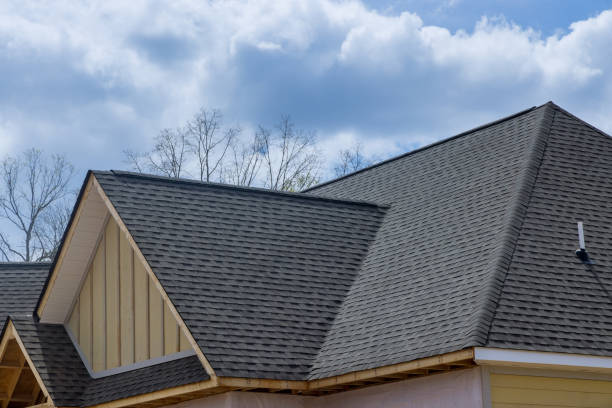
Everything Homeowners Need to Know About Roof Underlayment and Its Importance
Roof underlayment is a critical component of roofing systems, often overlooked but essential for long-term performance and durability. Acting as a protective barrier between your roof deck and outer roofing material, underlayment plays a pivotal role in preventing water damage, improving energy efficiency, and adding an extra layer of protection. Here’s what every homeowner needs to know about this vital roofing element.
What is Roof Underlayment?
Roof underlayment is a layer of material installed directly onto the roof deck before shingles or other outer materials are applied. Its purpose is to provide added protection against moisture infiltration, leaks, and environmental conditions.
- Traditional option made from organic or fiberglass base materials.
- Offers water resistance but not completely waterproof.
- Affordable and widely available.
- Made from polymers such as polypropylene or polyester.
- Lightweight yet durable with superior moisture resistance.
- Resists tearing during installation; preferred by many modern contractors.
- High-end product featuring waterproof properties due to asphalt and rubber polymers.
- Includes adhesive backing for easy installation.
- Ideal for areas prone to heavy rains or snow accumulation.
Each type has its own set of features that make it suitable for different climates, budgets, and roofing materials.
Why is Roof Underlayment Important?
- Moisture Protection: It prevents wind-driven rain or ice dams from penetrating the roof structure when shingles are damaged or missing.
- Additional Insulation: It can improve your home’s thermal efficiency by reducing heat transfer between your attic space and exterior environment.
- Enhanced Durability: By protecting the roof deck from prolonged exposure to moisture, it increases the longevity of the overall roofing system.
- Fire Resistance: Some types of underlayments have fire-resistant properties that enhance the safety of your home.
When Should You Replace Roof Underlayment?
While most homeowners focus on replacing shingles when they show signs of wear, it’s equally important to assess the condition of the underlayment during any repair or replacement project.
- If you’re replacing all your shingles during a re-roofing project.
- When there are visible signs of water damage on interior ceilings or walls caused by leaking roofs.
- After severe weather events such as hurricanes or hailstorms that compromise both shingles and underlying layers.
Comparing Types of Roof Underlayments at a Glance
| Feature | Asphalt-Saturated Felt | Synthetic Underlayment | Rubberized Asphalt |
| Cost | $ | $$ | $$$ |
| Weight | Heavy | Lightweight | Moderate |
| Water Resistance | Limited | High | Waterproof |
| Durability | Moderate | Excellent | Excellent |
| Best Application | Budget Projects | Modern Residential | Extreme Weather Areas |
Tips for Choosing the Right Roof Underlayment
Selecting an appropriate roof underlayment depends on various factors like climate conditions, roofing material type, and budget.
- Use synthetic underlayments if you live in areas with frequent high winds or heavy rainfall for better tear resistance and moisture control.
- Opt for rubberized asphalt if durability against extreme weather events is your highest priority.
- For homeowners on a tight budget but looking for effective protection, asphalt-saturated felt may be viable.
Never underestimate the importance of consulting with professional roofers who can evaluate your specific needs and recommend options tailored to your home’s unique characteristics.
By understanding what roof underlayment does and how it contributes to protecting your home over time, you’ll be better prepared to make informed decisions during any roofing project.
How to Identify Curling, Buckling, and Damaged Shingles Before They Lead to Bigger Issues
Proper roof maintenance is vital for protecting your home from costly repairs and structural damage. One of the most common signs of roof issues is compromised shingles. Identifying curling, buckling, or damaged shingles early can help you address problems before they escalate. Below, we’ll guide you through understanding these warning signs and what actions to take.
Why Shingles Curl or Buckle
- Moisture Problems: Poor ventilation in your attic can trap moisture, causing shingles to warp over time.
- Improper Installation: Incorrect nailing patterns or inadequate underlayment can lead to buckling.
- Old Age: Most asphalt shingles have a lifespan of 20-30 years. Over time, exposure to the elements weakens them, making curling more likely.
- Weather Damage: Intense heat, heavy rain, snow, or hailstorms can cause shingles to deteriorate prematurely.
Signs That Your Shingles Are Damaged
- Curling Edges: If the edges of your shingles start curving upward or downward rather than lying flat against the roof surface.
- Buckling Appearance: A warped look where shingles appear uneven or lifted in some spots.
- Cracks and Tears: Visible fractures in shingle material caused by weathering.
- Granule Loss: Bald patches on asphalt shingles where protective granules have worn away.
- Loose or Missing Shingles: Areas where shingles have shifted out of place or fallen off entirely.
How Curling And Buckling Can Cause Bigger Problems
| Problem | Result |
| Water Infiltration | Gaps in curled/buckled shingles allow water penetration into your home’s structure. |
| Compromised Insulation | Moisture buildup leads to reduced energy efficiency in your home’s insulation systems. |
| Mold and Mildew Growth | Persistent dampness creates a breeding ground for unhealthy mold growth within attic spaces. |
| Structural Damage | Prolonged exposure weakens wooden decking underneath the roofing material. |
Steps To Inspect Your Roof For Damage
- Use binoculars from ground level to scan for visible curls, cracks, bald spots, or missing pieces.
- Check gutters for excessive granule deposits—a warning sign that shingles are degrading.
- Inspect interior ceilings and attic spaces periodically for water stains or dampness.
- Schedule professional inspections annually if you’re unable to assess the roof yourself.
When To Repair vs Replace Damaged Shingles
- Suitable if only a few damaged areas are present.
- Quick fixes like replacing individual curled or cracked shingles typically suffice.
- Necessary if extensive curling/buckling affects large sections.
- Ideal when nearing end-of-life stage (e. g. , over 20 years old).
Always consult with a trusted roofing contractor before deciding whether repairs will suffice versus investing fully into replacement solutions tailored toward long-term durability requirements tailored specific regional climates conditions.
- When to Hire a Roofing Contractor Manchester NH: Common Signs Your Roof Needs Replacement
- Manchester NH Roofing: Comprehensive Guide to Roof Overlays, Costs, Benefits, and Functions
- Expert Roofing Services by a Trusted Roofer Manchester NH for Your Home
- 8 Ways a Roofing Contractor Manchester NH Can Help You Decide to Repair or Replace Your Roof
- 12 Important Steps of a Roof Replacement Process Every Homeowner Should Know with a Roofing Contractor Manchester NH
- What Every Homeowner in Manchester NH Should Know About Roofing Installation and Replacement