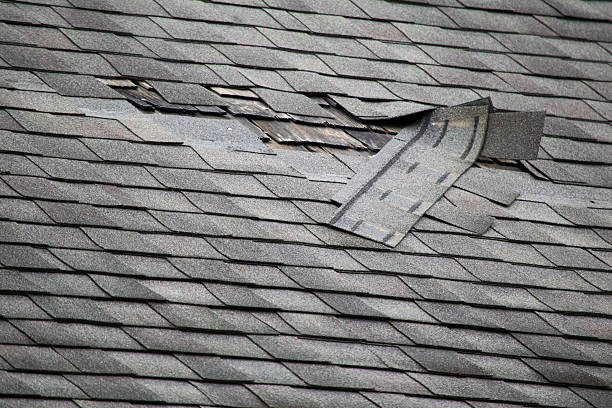
When it comes to maintaining, repairing, or replacing your roof, understanding the range of professional roofing services available is essential. A well-maintained roof not only enhances the aesthetic appeal of your home but also protects your property from extreme weather conditions and helps maintain energy efficiency. Below is an overview of some common roofing services offered by experienced contractors.
Types of Roofing Services
- Roof Installation
Installing a new roof is one of the largest investments for homeowners. It’s essential to choose durable materials and trust qualified professionals to ensure proper installation that will last for decades. - Roof Repairs
Professionals assess and resolve issues such as leaks, damaged shingles, flashing problems, or structural damage caused by storms or aging. Timely repairs help prevent costly replacements down the road. - Roof Replacement
Contractors assist with removing old materials and installing a brand-new roof tailored to your needs. - Roof Inspections & Maintenance Programs
Maintenance services often include cleaning gutters, resealing joints, and replacing worn-out components. - Emergency Roofing Services
Storms or accidents can cause sudden damage that needs immediate attention. Emergency repair services ensure prompt action to prevent further harm to your home.
Benefits of Hiring Professional Roofers
Professional roofing contractors bring specialized expertise, ensuring that every project meets industry standards.
- Knowledge of local building codes and regulations
- Access to high-quality materials and tools
- Safety precautions during installation or repairs
- Warranty coverage on both labor and materials
Factors That Impact Service Costs
| Factor | Impact on Cost |
| Type of roofing material | Premium materials (e.g., slate, metal) are more expensive than asphalt shingles |
| Roof size | Larger roofs require more labor and material |
| Roof pitch/complexity | Steeper pitches or unique designs add complexity to installation/repair |
| Labor rates | Regional variations in labor costs affect overall pricing |
Tips for Choosing the Right Roofing Service Provider
- Verify their license, insurance, and certifications.
- Request detailed estimates outlining costs for labor and materials.
- Check online reviews or ask for references from past clients.
- Inquire about warranties on workmanship.
- Confirm their experience with specific roofing types (e. g. , metal roofs vs asphalt shingles).
Investing in professional roofing services ensures durability, safety, and peace of mind while enhancing your home’s value over time—making it a crucial aspect of homeownership planning.
Exploring the Range of Manchester NH Roofing Services Available Today
When it comes to maintaining or improving your home, the roof plays a critical role in ensuring safety, comfort, and energy efficiency. Professional roofing services cover a wide range of solutions designed to meet the specific needs of homeowners. Below is an overview of key types of roofing services available today to help you make informed decisions for your property.
Roof Installation Manchester NH: Inspection and Maintenance Tips
– Visual inspection for damagesuch as cracks, leaks, or loose shingles.
– Gutter cleaningto ensure proper drainage and prevent water pooling.
– Checking for signs of mold, mildew, or algae growththat can compromise structural integrity.
– Identifying early signs of wear that may require repairs before they escalate into costly issues.
Scheduling regular maintenance with a professional roofer helps identify small problems early on and minimizes long-term repair expenses.
Roof Replacements Manchester NH and Repair Services
Roof repair is one of the most common services offered by roofing professionals.
– Fixing leaks caused by weather damageor aging materials.
– Replacing missing or damaged shingles after strong winds or storms.
– Repairing flashing around chimneys, vents, and skylights to prevent water infiltration.
Repairs are often cost-effective solutions that address specific issues without requiring a full replacement.
In cases where repairs are no longer sufficient due to age or extensive damage, roof replacement becomes necessary. This service involves removing the old roofing system and installing a new one using high-quality materials tailored to your preferences and budget.
Common Types of Roofing Materials:
| Material | Benefits | Lifespan |
| Asphalt Shingles | Affordable, easy to install | 20–30 years |
| Metal Roofing | Durable, energy-efficient | 40–70 years |
| Tile Roofing | Aesthetic appeal, resistant to fire | 50+ years |
| Flat Roofing | Ideal for modern designs | 10–15 years (varies) |
Replacing your roof enhances curb appeal while improving functionality and durability.
Experienced roofers will work closely with architects and contractors to select materials that align with the structure’s design while ensuring compliance with local building codes.
Storms or natural disasters can cause significant damage in a short period, sometimes leaving homes vulnerable to further harm from exposure to elements like wind or rainwater. Emergency repair services address urgent needs such as: – Covering exposed areas with temporary tarps. – Reinforcing weak structures after storm impacts. – Addressing immediate safety hazards posed by falling debris or unstable portions of the roof.
With rising energy costs and increased awareness around sustainability, many homeowners opt for energy-efficient roofing solutions such as reflective coatings or green roofs that reduce heat absorption while lowering utility bills.
By understanding these diverse types of roofing services available today—whether preventative maintenance, repairs, replacements, or upgrades—you can select solutions tailored specifically toward preserving functionality while enhancing aesthetics within budget constraints for any property type.
Comprehensive Guide to Roof Replacement: What Homeowners Need to Know
Roof replacement is one of the most significant investments a homeowner will make in maintaining their property. Whether your roof has reached the end of its lifespan or sustained extensive damage, replacing it is crucial for protecting your home and ensuring its structural integrity. Below, we’ll explore everything you need to know about roof replacement, from recognizing when it’s time for a new roof to understanding the process and options available.
Signs You May Need a Roof Replacement
- Visible Damage: Cracked, curled, or missing shingles indicate wear and tear that may necessitate replacement.
- Leaks or Water Damage: Water stains on ceilings or walls could point to significant roofing issues.
- Sagging Roofline: A sagging roof could signal structural problems that require immediate attention.
Steps Involved in Roof Replacement
Replacing a roof involves detailed planning and professional execution.
- Inspection and Assessment
- Material Selection
Homeowners choose from various materials like asphalt shingles, metal roofing, clay tiles, or wood shakes based on budget, aesthetics, and durability requirements.
| Material | Lifespan | Cost Range | Maintenance Level |
| Asphalt Shingles | 20–30 years | $3–$5 per sq. ft | Low |
| Metal Roofing | 40–70 years | $6–$12 per sq. ft | Low |
| Clay Tiles | 50+ years | $10–$25 per sq. ft | Moderate |
| Wood Shakes | 20–40 years | $6–$9 per sq. ft | High |
Removing Old Materials
The old roof materials are stripped away down to the decking layer to prepare for installation of the new system.- Deck Inspection and Repairs
The decking (or sheathing) underneath your shingles is inspected for rot or damage and repaired as necessary before proceeding. - Installing Underlayment
A waterproof underlayment barrier is installed as an added layer of protection against water infiltration. - New Roof Installation
Your chosen roofing material is installed following manufacturer guidelines for proper application. - Final Inspection
The roofer performs a final inspection of their work to ensure quality standards are met before cleanup begins.
Cost Considerations
The cost of replacing a roof depends on several factors such as material choice, labor rates in your area, size/complexity of the project, and whether additional repairs (e. g. , decking replacement) are required during installation.
| Factor | Impact on Cost |
| Roofing Material | Higher-quality materials increase costs |
| Roof Size | Larger roofs require more labor/material |
| Labor Rates | Vary by region |
| Structural Repairs | Additional costs if needed |
Choosing the Right Contractor
- Verify licensing and insurance credentials.
- Request detailed written estimates from multiple contractors.
- Research past projects through reviews or referrals.
- Ask about warranties offered on both materials and workmanship.
Replacing your home’s roof not only safeguards it from external elements but also enhances curb appeal and energy efficiency over time when done correctly by professionals using quality materials tailored specifically to meet homeowners’ needs.
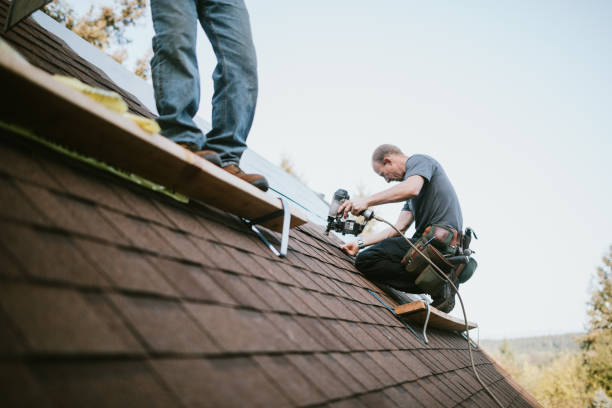
Key Factors to Consider When Choosing the Right Roofing Contractor for Your Project
Selecting the right roofing contractor is a critical decision for any homeowner or property manager. A poorly chosen contractor can lead to costly mistakes, delays, and subpar results. On the other hand, a skilled and reputable professional can ensure that your roofing project is completed efficiently, safely, and to a high standard of quality. Below are some key factors to evaluate when choosing the right roofing contractor for your needs.
Verify Licenses and Certifications
Before hiring any roofing contractor, it is essential to confirm that they hold the necessary licenses and certifications required in your state or region. A licensed contractor demonstrates that they are compliant with local regulations and possess the knowledge needed to perform roofing work safely.
- Check if they have a valid license number.
- Look for certifications from reputable organizations such as GAF Master Elite®, CertainTeed SELECT ShingleMaster™, or Owens Corning Preferred Contractor.
- Ensure compliance with local building codes.
Insurance Coverage
Roofing work involves inherent risks. To protect yourself financially in case of accidents or damage during the project, make sure your chosen contractor has adequate insurance coverage.
- Liability Insurance: Covers property damage caused during the roofing process.
- Workers’ Compensation: Protects you from liability in case of worker injuries on your property.
Request proof of insurance from your contractor and verify its authenticity with their insurance provider.
Research Their Experience
The experience level of a contractor can be an indicator of their ability to handle complex projects or unexpected challenges.
- The number of years they have been in business.
- Their experience working on projects similar to yours (e. g. , material type, roof style).
- A portfolio showcasing past work.
Experienced contractors are more likely to anticipate potential problems and implement effective solutions quickly.
Assess Reputation Through Reviews and Referrals
A strong reputation is one of the best indicators of a trustworthy roofing contractor.
- Search online reviews on platforms like Google, Yelp, or Angi.
- Ask the contractor for references you can contact directly.
- Seek referrals from family, friends, or neighbors who have had positive experiences with roofers.
Pay attention not only to positive reviews but also how contractors respond to negative ones—this shows their professionalism and commitment to customer satisfaction.
Compare Written Estimates
Obtain detailed written estimates from multiple contractors before making a decision. This comparison allows you to evaluate pricing transparency as well as services offered.
| Contractor Name | Total Estimate | Warranty Provided | Timeline | Notes |
| ABC Roofing Co. | $12,500 | 10 years on labor | 4 weeks | Includes debris removal |
| XYZ Roofers | $11,000 | 8 years on labor | 3 weeks | Limited warranty coverage |
| Topline Roofing | $13,200 | 15 years (materials/labor) | 5 weeks | Premium materials used |
Key elements within an estimate include: – Labor costs – Material costs – Warranty terms (labor vs materials) – Project timeline
Beware of unusually low bids—these may indicate substandard materials or shortcuts being taken during installation.
Communication Skills Matter
- How responsive are they during initial consultations?
- Are they willing to explain technical details in layman’s terms?
- Do they provide clear documentation such as contracts?
Look Into Warranties Offered
- Manufacturer Warranty: Covers defects related specifically to roof materials.
- Workmanship Warranty: Guarantees quality workmanship provided by the installer (the duration varies).
Make sure these warranties are clearly outlined before signing any agreements.
By carefully evaluating these factors—licenses/certifications, insurance coverage, experience level, reputation/reviews/referrals—and ensuring good communication while comparing estimates and warranties offered by different contractors—you’ll be better equipped for choosing someone who delivers reliability alongside exceptional craftsmanship tailored specifically toward fulfilling all homeowner goals effectively without undue stress
Tips for Choosing a Reliable Roofing Contractor Manchester NH for Quality Materials and Equipment
Professional roofers rely on a range of advanced tools and premium materials to deliver reliable results. Here’s a comprehensive guide to identifying the quality of materials and equipment used by roofing contractors.
Characteristics of High-Quality Roofing Materials
The materials selected for your roofing project play a significant role in determining its lifespan, weather resistance, and overall aesthetic appeal.
- Durability: High-quality roofing materials should withstand extreme weather conditions, including heavy rain, snow, or strong winds.
- Energy Efficiency: Modern roofing options often include energy-efficient materials that help regulate indoor temperatures and reduce energy costs.
- Warranty Coverage: Reputable manufacturers offer extended warranties on premium-grade shingles, tiles, or metal panels.
- Fire Resistance: Some roofing products come with fire-resistant properties for improved safety.
- Aesthetic Appeal: Choose materials that complement the architectural style of your home while maintaining functionality.
Common Roofing Materials and Their Benefits
| Material | Durability | Energy Efficiency | Aesthetic Options |
| Asphalt Shingles | Moderate (20–30 yrs) | Moderate | Wide variety of colors/designs |
| Metal Roofing | High (40–70 yrs) | High | Sleek modern appearance |
| Clay Tiles | Very High (50+ yrs) | Moderate | Traditional Mediterranean look |
| Slate | Very High (75+ yrs) | Moderate | Natural stone elegance |
Tools and Equipment Used by Professional Roofers
In addition to quality materials, professional roofers rely on specialized equipment to ensure precision, safety, and efficiency during installation or repairs.
- Roofing Nail Guns: These tools ensure fast and secure attachment of shingles or other materials.
- Shingle Cutters: Precision cutting tools allow for custom-fitting shingles around edges or obstacles like chimneys.
- Roof Harness Systems: Safety harnesses are crucial when working at heights to prevent accidents.
- Moisture Detection Equipment: Advanced tools help identify hidden leaks or moisture buildup before repairs begin.
- Magnetic Sweepers: After completing a project, these sweepers collect nails or debris left behind for a clean finish.
Questions to Ask About Materials & Equipment
Before hiring a roofer, it’s important to verify their use of reliable products and tools.
- What brands of roofing materials do you use?
- Are these products certified by industry standards?
- Do you use energy-efficient options if requested?
- How do you ensure safety during installation?
- What steps do you take to clean up after completing the work?
Indicators of Subpar Materials or Practices
Identifying poor-quality workmanship early can save you time and money in the future.
- The contractor cannot provide details about material manufacturers or warranties.
- They opt for cheaper alternatives without discussing durable options with you.
- Visible shortcuts in workmanship include uneven shingle alignment or improper sealing techniques.
When deciding on a roofing contractor, paying attention to their choice of materials and tools can provide insight into their professionalism and attention to detail. Investing in quality now can protect your home from costly repairs down the road while adding value to your property over time.

Exploring the Credentials and Experience That Set Top Roofing Companies Apart
When hiring a roofing company, understanding the credentials and experience that distinguish top-tier professionals from others in the industry is essential. A well-qualified roofer not only ensures quality workmanship but also provides peace of mind for homeowners. Here are some key factors to evaluate when assessing the qualifications of a roofing company.
Professional Certifications and Licenses
Top roofing companies typically hold certifications and licenses that demonstrate their expertise. These credentials often require rigorous testing or adherence to industry standards.
- State or Local Licenses: Most states mandate licensing for roofing contractors. Verify that the contractor holds an active license in your area.
- Manufacturer Certifications: Many reputable manufacturers certify contractors who are trained to install their products correctly. Examples include GAF Master Elite® Certification or CertainTeed SELECT ShingleMaster™ designation.
- OSHA Certification: Roofing work can be hazardous, so companies with Occupational Safety and Health Administration (OSHA) training show their commitment to safety.
Years of Experience in the Industry
A roofer’s experience speaks volumes about their ability to handle various projects effectively. Companies with years—or even decades—of experience have likely encountered a wide range of challenges, which equips them to solve unique problems skillfully.
- Companies with 10+ years of experience often have a track record of reliability.
- Experienced roofers are more likely to stay up-to-date with modern installation techniques or materials.
Insurance Coverage for Roofers
Another hallmark of a top-notch roofing company is proper insurance coverage. This protects both the workers and you as the homeowner in case of accidents or damages during the project.
Make sure your contractor has: – General Liability Insurance: Covers property damage resulting from their work.Workers’ Compensation Insurance: Protects laborers injured on-site, ensuring you won’t be held liable.
Before any contract is signed, ask for proof of insurance and verify its validity through the issuing provider.
Membership in Industry Associations
Membership in professional organizations signals that a roofer values relationships within their industry and stays informed on best practices.
| Organization Name | Purpose |
| National Roofing Contractors Association (NRCA) | Provides training, resources, and advocacy on behalf of roofers |
| Roofing Contractors Association (RCA) | Offers certifications and skill development opportunities |
Being part of these groups reflects commitment to ongoing learning and adherence to high ethical standards.
Warranties Offered by Roofing Companies
A reliable roofer backs up their work with warranties for both materials and labor: – Manufacturer Warranties: Cover defects related to shingles or other materials.Workmanship Warranties: Protect against installation errors; these vary widely but typically last between 1–10 years based on company policies.
By thoroughly vetting these qualifications, you can identify roofing companies capable of delivering exceptional results while prioritizing safety, quality, and customer satisfaction.
Customer Reviews and Referrals: Why They Matter When Hiring a Roofer
When it comes to hiring a professional roofer, customer reviews and referrals play a critical role in making an informed decision. They provide valuable insight into the quality of work, reliability, and overall customer satisfaction of a roofing contractor. Here’s why these factors matter and how you can use them to choose the right professional for your project.
The Importance of Customer Reviews
Customer reviews are firsthand accounts from homeowners who have previously worked with a particular roofing company. These reviews are often hosted on platforms like Google, Yelp, or specialized contractor directories such as Angi or HomeAdvisor.
- Insight into Work Quality: Reviews can help you evaluate the craftsmanship and attention to detail provided by roofers.
- Reliability Check: Feedback from past clients will indicate if the company met deadlines and stuck to their commitments.
- Transparency in Pricing: Many reviews highlight whether customers felt they received fair pricing for services rendered.
- Problem Resolution: Look for mentions of how disputes or challenges were handled—this reveals how responsive and professional a company is when addressing concerns.
How to Spot Genuine Reviews
While online reviews are helpful, it’s essential to differentiate between authentic feedback and potentially misleading or fake entries.
- Detailed Comments: Genuine reviews often include specific details about the project, such as timelines, materials used, or unique challenges faced.
- Balanced Feedback: Trustworthy reviews provide both positives and negatives rather than overly glowing praise or harsh criticism.
The Power of Referrals
Referrals take this one step further by offering personal endorsements from individuals you know and trust — such as friends, family members, or neighbors who have worked with a given roofer.
- Trustworthiness: Recommendations from people you trust eliminate much of the guesswork involved in selecting a contractor.
- Firsthand Insights: You can ask detailed questions about their experience that may not be covered in online reviews (e. g. , Was the crew respectful? Did they clean up after themselves? ).
- Local Expertise: Referral-based roofers often have extensive experience working on homes in your area, giving them familiarity with local building codes and environmental factors.
Combining Reviews and Referrals for Better Decision-Making
| Step | Action Item | Purpose |
| 1 | Read Online Reviews | Gather unbiased feedback from past clients |
| 2 | Ask Friends/Family for Recommendations | Gain trusted referrals from reliable sources |
| 3 | Check Social Media or Forums | Discover additional perspectives |
| 4 | Contact Previous Customers Directly | Verify experiences through direct conversations |
By combining insights gained through both customer reviews and referrals, you’ll have a clearer picture of which roofing contractor aligns best with your needs.
Red Flags to Watch Out For
- A pattern of negative feedback about missed deadlines or overcharging
- Lack of recent reviews (indicating inactivity or outdated practices)
- Overly defensive replies by contractors to customer complaints
- Referrals that sound hesitant or reluctant when discussing their experience
Taking these steps will help ensure your roofing project is completed professionally while minimizing risk.
- When to Hire a Roofing Contractor Manchester NH: Common Signs Your Roof Needs Replacement
- Manchester NH Roofing: Comprehensive Guide to Roof Overlays, Costs, Benefits, and Functions
- Expert Roofing Services by a Trusted Roofer Manchester NH for Your Home
- 8 Ways a Roofing Contractor Manchester NH Can Help You Decide to Repair or Replace Your Roof
- 12 Important Steps of a Roof Replacement Process Every Homeowner Should Know with a Roofing Contractor Manchester NH
- What Every Homeowner in Manchester NH Should Know About Roofing Installation and Replacement